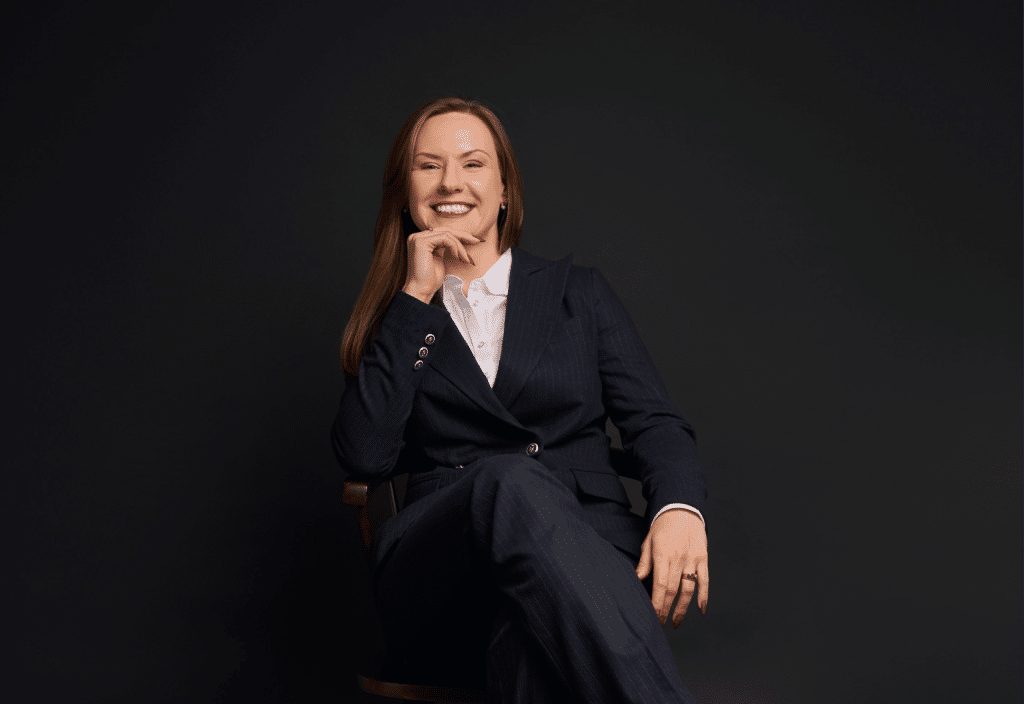
Zuzanna has run ultra-marathons for over a decade: “the discipline that gets me through 100 kilometres is the same one that makes a global transformation project succeed”.
A runner before she was a consultant
For more than 14 years, Zuzanna has competed in ultra-running, including desert races across Morocco, Jordan and Peru, events in Mongolia, and the UTMB series. Since November 2021, she has run at least three kilometres every single day, a habit that takes twenty or thirty minutes but has never broken.
That kind of discipline says something about how she approaches everything else in her life, including a demanding, cross-functional job leading transformation projects across multiple countries.
The 100-kilometre lesson
Ask Zuzanna what ultra-running actually taught her, and the answer has little to do with fitness. It’s about pacing.
Spending all your energy at the start of a 100-kilometre race leaves the finish weaker for it. Pace, nutrition and energy all need to hold across the entire distance. The same principle, she says, applies directly to her work: the goal is to deliver a project’s entire timeline, evenly, from the first milestone to the last, not just the exciting opening stretch.
That’s the lesson worth taking from this article, whether or not you’ve ever run further than a few kilometres: consistency, sustained over time, beats a strong start that fades.
What a Global Change Agent consultant actually does
About a year ago, Zuzanna joined Amaris Consulting I Part of Mantu, as a Global Change Agent within a Manufacturing Excellence practice. Her work centers on two things: analyzing costs and capacity to strengthen competitiveness, and standardizing processes so that proven solutions can scale from one site to the next.
The scale is what makes it demanding. Her projects touch multiple functions and teams at once, across different countries and competing priorities.
What Zuzanna actually enjoys about work
Zuzanna describes herself as driven by self-development, and she says her current environment has given her exactly that. Good mentoring, strong colleagues, and enough independence to work autonomously while knowing capable people are there when she needs support.
She’s honest about the parts that are harder to navigate. Starting on a new client engagement can be unclear at first, and people are expected to take responsibility and find their way through complex situations rather than being guided through every step.
Where the running lesson shows up at work
The clearest example is something small: an unanswered question. When a question goes unanswered right away, Zuzanna keeps working the problem. She finds the right person, gathers the missing information, and provides whatever context is needed to keep the project moving.
Plenty of outcomes in a transformation project sit outside her direct control. A procurement price, for example, is a decision that belongs to someone else entirely. What she can control is whether the subject keeps moving, requesting comparisons, following up, and keeping the conversation alive until it resolves.
Colleagues and leaders notice that pattern. Consistent effort, applied across the full length of a project, is what actually delivers results.
Where this leaves you
If there’s one thing worth taking from Zuzanna’s story, it’s that the skill that makes a transformation project succeed rarely shows up on a CV. It shows up in whether someone follows through, week after week, long after the initial plan stops feeling exciting.
If that’s the kind of consultant you are, Amaris Consulting is hiring for roles like this one across manufacturing and transformation projects. Explore open roles.
From hands-on engineer to strategic change agent
Previously, Zuzanna worked as a process engineer, project engineer and process lead, close to daily production, with clear pressure to deliver specific quantities. Her current role sits at a more strategic level: costs, capacity, transformation and stakeholder management, rather than direct oversight of production output.
Her operational background still shapes how she works today. Understanding daily production constraints, and what teams genuinely need to deliver, helps her build realistic project plans and explain the level of support a project actually requires.

