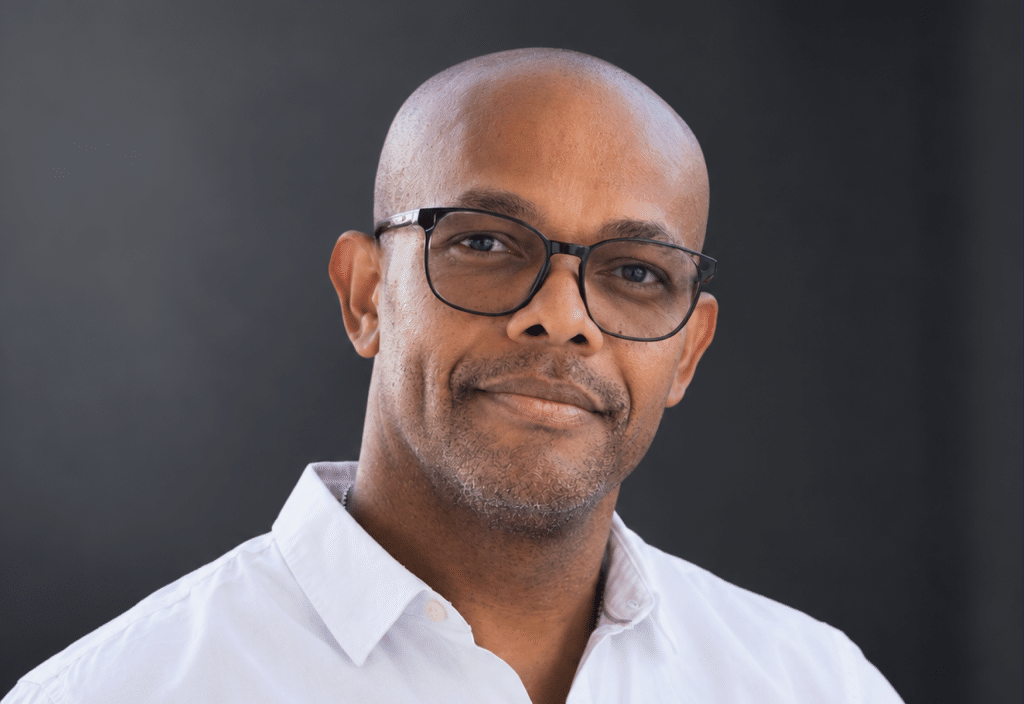
A viewpoint from Mike G., Senior Consultant at Amaris Consulting I Part of Mantu
What if some of the most valuable learning in consulting happened outside a traditional client project?
Consulting firms invest heavily in training, certifications and professional development. But some skills are best developed by doing: taking on a real challenge, working with unfamiliar stakeholders and being responsible for delivering a tangible result.
I experienced this first-hand through a skills-based volunteering project with SFMADA, a non-profit organisation supporting children with disabilities in Madagascar. What started as an opportunity to contribute became an unexpected learning experience that pushed me well beyond my usual role.
A project with an unexpected challenge
When I started looking for an organisation to support, I wanted to work somewhere I could make a meaningful contribution. SFMADA was a natural fit. Based in Madagascar, the organisation supports children with disabilities through specialised education, nutrition and medical care.
The initial requirement was to build a digital platform to manage events, online ticketing, memberships and donations. When I accepted the project, I underestimated one detail: I would also be responsible for the development work, outside my usual role and experience with WordPress.
I had to learn quickly and adapt to make the project work. At the same time, I was wearing several hats: project manager, product owner, developer and content creator.
Using AI to bridge the technical gap
This was where AI became particularly useful. I used it to accelerate research, explore technical options, troubleshoot implementation issues and test different approaches to the design.
It let me take on technical work outside my usual skill set.
But AI was only part of the equation. The real challenge was understanding what the organisation needed, breaking the requirement into concrete objectives, choosing an appropriate solution and making sure the final product actually worked for its users. That distinction matters.
“AI can accelerate execution, but the consultant still needs to understand the problem, make decisions and take responsibility for the outcome”.
I went from zero development experience to delivering a working website.
What the project taught me about consulting
The biggest lesson wasn’t that I had learned how to build a website. It was how much you can achieve when you are forced to look at a problem from several perspectives at once.
Throughout the project, I managed stakeholders, defined requirements, designed user journeys, created content, implemented technical solutions and thought about how the platform would be maintained over time.
In a traditional consulting environment, these responsibilities might be shared across several people. Here, I had to connect them myself. That gave me a much broader understanding of how the different parts of a project fit together from identifying a need to delivering something people can actually use. Discover the project here.
A digital transformation project with a real-world purpose
For SFMADA, the website wasn’t simply a development exercise. The goal was to make it easier to manage registrations, events, memberships and donations online.
The resulting platform has become part of the organisation’s day-to-day operations, giving the team a more practical way to manage these activities.
For a non-profit organisation with limited resources, access to this kind of expertise can make a real difference. And that was an important part of the experience for me: the work had a purpose beyond the project itself.
Rethinking the time between client assignments
Time between client assignments is often discussed through the lens of utilisation. But there is another question worth asking: what can a consultant become during that time?
A skills-based volunteering project can give consultants the space to explore new areas, take on different responsibilities and work with people and organisations they would not normally encounter.
- For me, that meant discovering that I could take on technical responsibilities I had never considered before.
- For the organisation, it meant gaining access to expertise and a completed project that might otherwise have been difficult to fund.
The value comes from both sides: consultants develop while organisations benefit from skills they genuinely need.
Why this matters as consulting evolves
The consulting profession is changing quickly, particularly as AI makes it easier to learn and apply new technologies.
Technical knowledge will continue to matter. But consultants also need to know how to frame problems, work across disciplines, make decisions and turn new tools into useful outcomes.
These capabilities are difficult to develop through theory alone.
Skills-based projects offer a practical environment to build them. You have a real organisation, a real need and a real outcome to deliver, but often with more freedom to experiment than you would have on a traditional client engagement.
That combination makes these projects valuable for both professional development and social impact.
A different approach to consultant development
My experience with SFMADA changed the way I think about professional development.
I started with a project outside my usual skill set and finished with new technical skills and broader project experience. But more importantly, I learned by solving a real problem for an organisation that genuinely needed the support.
That’s what made the experience so valuable: I was learning to deliver something that mattered.
The project showed me that time between client assignments can be more than a pause between projects. It can be an opportunity to take on a new challenge, grow as a consultant and create a tangible impact.
Interested to join Mantu as a consultant? Discover our open opportunities here.

